
6 min read
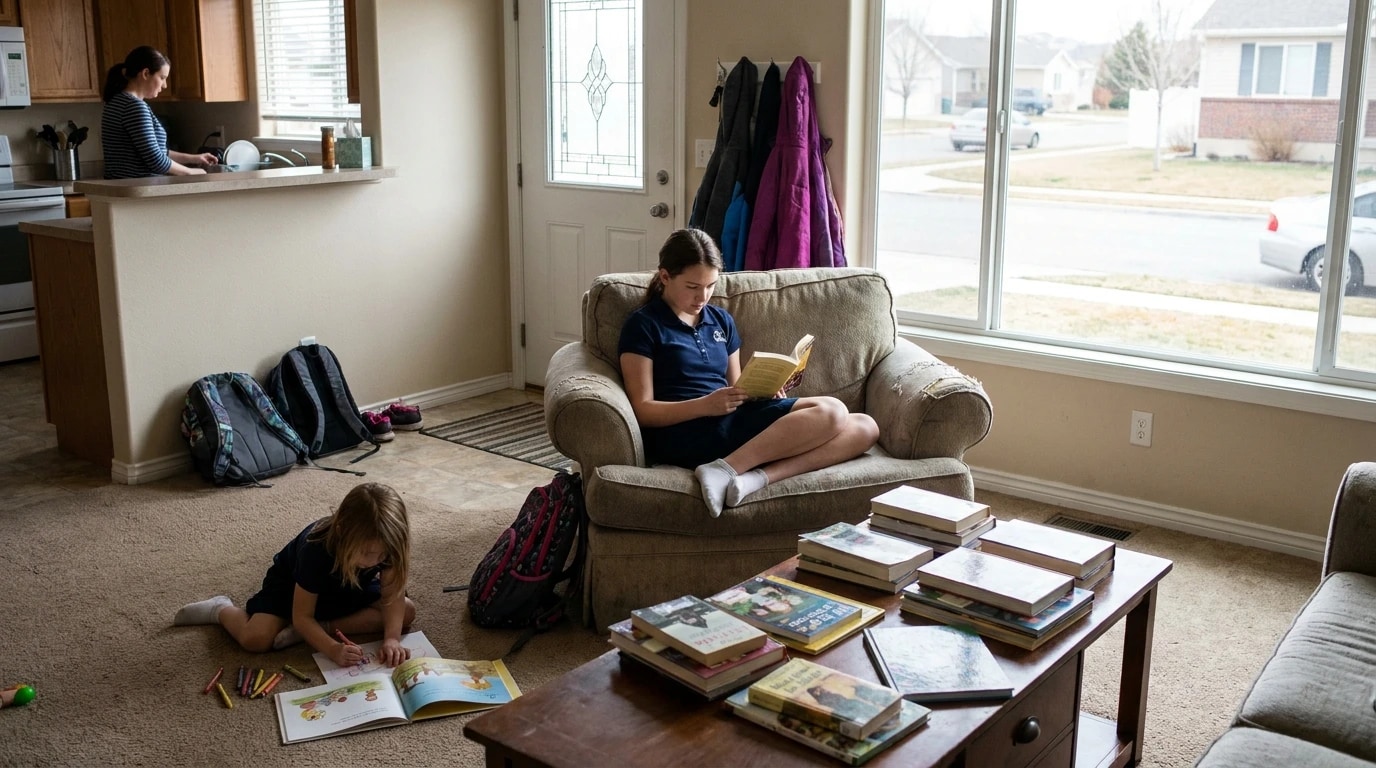
Families can cultivate strong reading habits at home for K-12 students by creating an engaging and supportive environment that encourages regular reading. Establishing a routine, providing access to diverse reading materials, and fostering discussions about books can significantly enhance a child’s literacy skills and love for reading.
In an age where digital distractions abound, instilling a passion for reading is more crucial than ever. By prioritizing reading at home, families can help students develop critical thinking skills, improve vocabulary, and enhance comprehension. This blog post will explore practical strategies for families to build effective reading habits, ensuring that students not only excel academically but also enjoy the journey of discovering new worlds through literature.
Establishing a Reading Routine
Establishing a consistent reading routine is essential for developing strong reading habits. Families should designate specific times each day for reading, whether it be before bedtime, after school, or during weekends. This routine helps students understand the importance of reading as a daily activity.
To create an effective reading routine, consider the following steps:
- Set a specific time for reading each day.
- Choose a comfortable and quiet space free from distractions.
- Encourage family reading time where everyone reads together.
- Track progress with a reading log to celebrate achievements.
By incorporating these elements, families can establish a reading routine that fosters a lifelong love for literature.
Creating a Diverse Reading Environment
Providing access to a variety of reading materials is crucial for engaging students. A diverse reading environment includes books of different genres, cultures, and formats, such as fiction, non-fiction, graphic novels, and magazines. This variety not only keeps reading interesting but also exposes students to different perspectives and ideas.
Here are some ways to create a diverse reading environment:
- Visit local libraries and bookstores to explore new titles.
- Encourage students to choose books that interest them, even if they are outside their grade level.
- Incorporate audiobooks and e-books to appeal to different learning styles.
- Rotate reading materials regularly to keep the selection fresh and exciting.
By fostering a diverse reading environment, families can help students discover new interests and deepen their understanding of the world.
Encouraging Discussions About Books
Engaging in discussions about books is a powerful way to enhance comprehension and critical thinking skills. Families should encourage students to share their thoughts and feelings about the books they read. This dialogue not only reinforces understanding but also helps students articulate their ideas and develop their analytical skills.
To facilitate meaningful discussions, consider these strategies:
- Ask open-ended questions about the plot, characters, and themes.
- Encourage students to make connections between the book and their own experiences.
- Discuss the author’s purpose and writing style.
- Host family book clubs where everyone reads the same book and shares their insights.
By promoting discussions about literature, families can deepen students’ engagement and comprehension.
Utilizing Reading Challenges and Incentives
Reading challenges and incentives can motivate students to read more. Families can create friendly competitions or set personal goals to encourage reading. For example, a summer reading challenge can inspire students to read a certain number of books or pages within a specific timeframe.
Here are some ideas for implementing reading challenges:
- Set a family reading goal, such as reading a total of 100 books in a year.
- Offer rewards for completing reading milestones, such as a special outing or a new book.
- Participate in community reading events or programs.
- Share progress with friends or family to foster accountability.
These challenges can create excitement around reading and encourage students to explore new genres and authors.
Integrating Technology Wisely
While technology can be a distraction, it can also be a valuable tool for promoting reading. Families should integrate technology in ways that enhance the reading experience, such as using educational apps, e-books, and online reading programs.
To use technology effectively, consider these tips:
- Choose high-quality educational apps that promote literacy skills.
- Utilize e-readers to access a wide range of books conveniently.
- Encourage participation in online book discussions or forums.
- Limit screen time for non-educational activities to prioritize reading.
By integrating technology wisely, families can enhance their children’s reading experience and make it more engaging.
Modeling Reading Behavior
Children often emulate their parents’ behaviors. By modeling reading as a valued activity, parents can instill a love for reading in their children. When families prioritize reading, it sends a clear message about its importance.
To model reading behavior, families can:
- Read books themselves in front of their children.
- Share their reading experiences and favorite books.
- Discuss what they are reading and why it matters.
- Encourage family members to exchange book recommendations.
By modeling positive reading habits, families can inspire their children to develop a similar passion for literature.
Supporting Struggling Readers
For some students, reading may present challenges. Families should provide support and resources for struggling readers to help them overcome obstacles. This support can include tutoring, specialized programs, or simply more time spent reading together.
Here are some strategies for assisting struggling readers:
- Identify specific areas of difficulty and seek targeted resources.
- Encourage regular practice with phonics and vocabulary exercises.
- Provide a comfortable and pressure-free reading environment.
- Celebrate small achievements to build confidence.
By offering support, families can help struggling readers develop their skills and foster a love for reading.
Conclusion: reading habits
Building strong reading habits at home for K-12 students is a collaborative effort that requires commitment and creativity from families. By establishing routines, creating a diverse reading environment, encouraging discussions, and supporting struggling readers, families can foster a love for reading that lasts a lifetime. At Karl G. Maeser Preparatory Academy, we believe that strong reading skills are foundational to academic success and character development. Contact us today to learn more about how we support our students’ educational journeys.
For more on reading habits, read about our academics and admissions information. You can also review U.S. Department of Education.
Frequently Asked Questions
What are some effective ways to encourage my child to read more?
Encouraging your child to read can be achieved by establishing a reading routine, providing diverse reading materials, and engaging in discussions about the books they read. Setting reading goals and offering incentives can also motivate them to read more.
How can I create a reading-friendly environment at home?
To create a reading-friendly environment, designate a quiet and comfortable space for reading, provide a variety of reading materials, and limit distractions such as television and video games during reading time.
What if my child struggles with reading?
If your child struggles with reading, identify specific challenges they face and seek targeted resources such as tutoring or specialized programs. Encourage regular practice and provide a supportive environment to help them improve.
How can technology be used to promote reading?
Technology can promote reading through educational apps, e-books, and online reading programs. It is important to integrate technology in ways that enhance the reading experience while limiting distractions from non-educational activities.
What role do parents play in their child’s reading development?
Parents play a crucial role in their child’s reading development by modeling positive reading behaviors, establishing routines, and engaging in discussions about books. Their involvement can significantly influence a child’s attitude toward reading.